
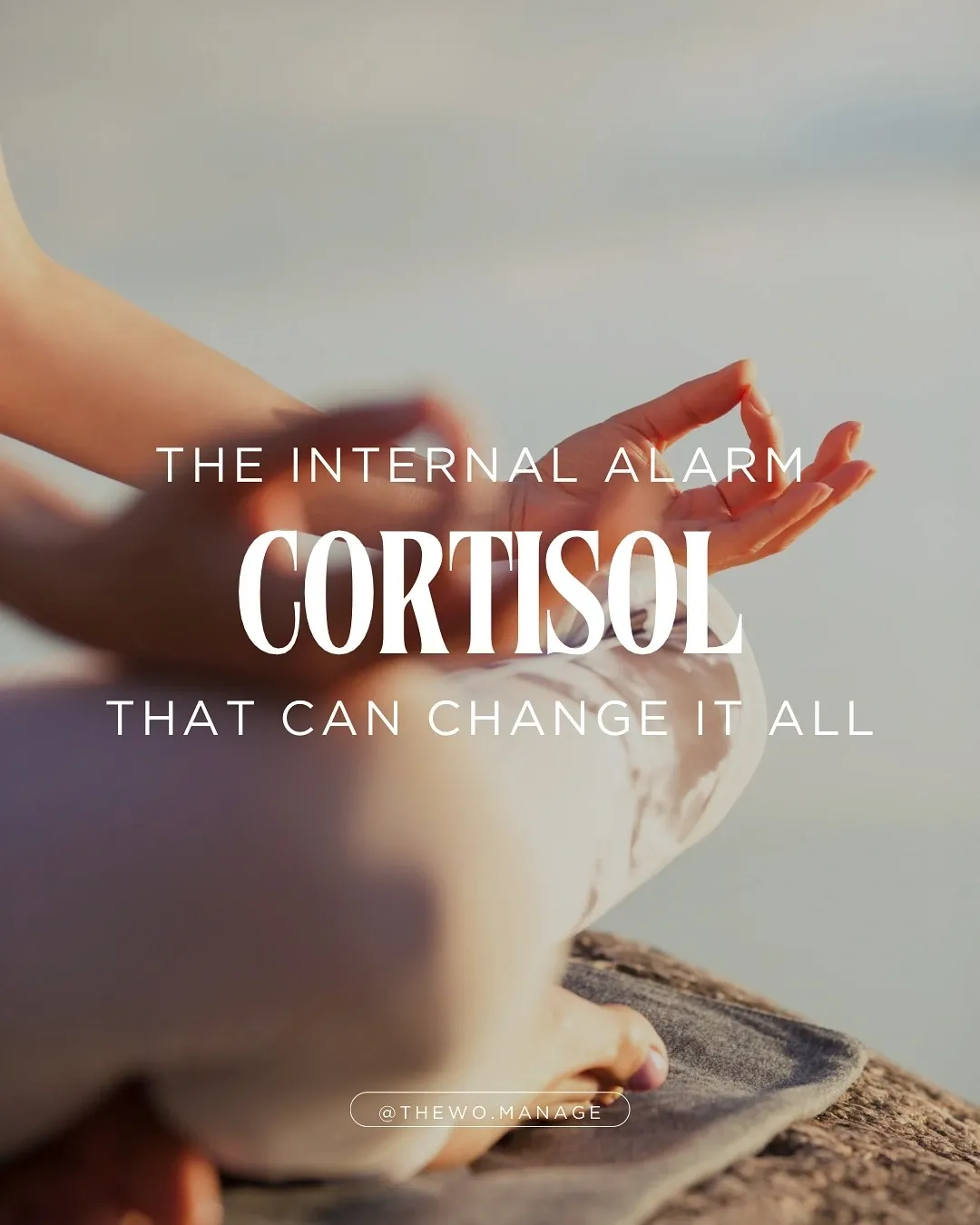
CORTISOL: The Internal Alarm that can Change it All.
- August 4, 2025
- 0 Likes
- 145 Views
- 0 Comments
Cortisol, often referred to as the stress hormone, plays a significant role in various bodily functions, including metabolism, immune response, and the regulation of blood pressure. In women over the age of 35, elevated cortisol levels can have pronounced effects due to the natural hormonal changes occurring during this period. Factors that contribute to increased cortisol levels include chronic stress, poor sleep quality, an unhealthy diet, and lack of exercise. Additionally, life changes such as career pressures, family responsibilities, and the onset of perimenopause can exacerbate stress, thereby increasing cortisol production. Symptoms associated with elevated cortisol in this demographic often include weight gain, particularly around the abdomen, mood swings, fatigue, and difficulties with memory and concentration. Long-term exposure to high cortisol levels can also lead to more severe health issues such as hypertension, osteoporosis, and a weakened immune system.
To reduce elevated cortisol levels, women over 35 can adopt several lifestyle changes. Prioritizing quality sleep is crucial, as inadequate rest can significantly increase cortisol production. Engaging in regular physical activity, especially practices like yoga or tai chi, can help manage stress and lower cortisol levels. A balanced diet rich in whole foods, lean proteins, and healthy fats, while minimizing sugar and caffeine intake, can also support hormonal balance. Additionally, incorporating mindfulness techniques such as meditation or deep-breathing exercises can effectively mitigate stress. Social support and fostering positive relationships can further aid in stress reduction. Lastly, if lifestyle adjustments prove insufficient, consulting with healthcare professionals for personalized advice or therapy might be necessary to manage stress and maintain optimal hormonal health.