

Female Brain: We Are Just Built Different.
- August 11, 2025
- 0 Likes
- 161 Views
- 0 Comments
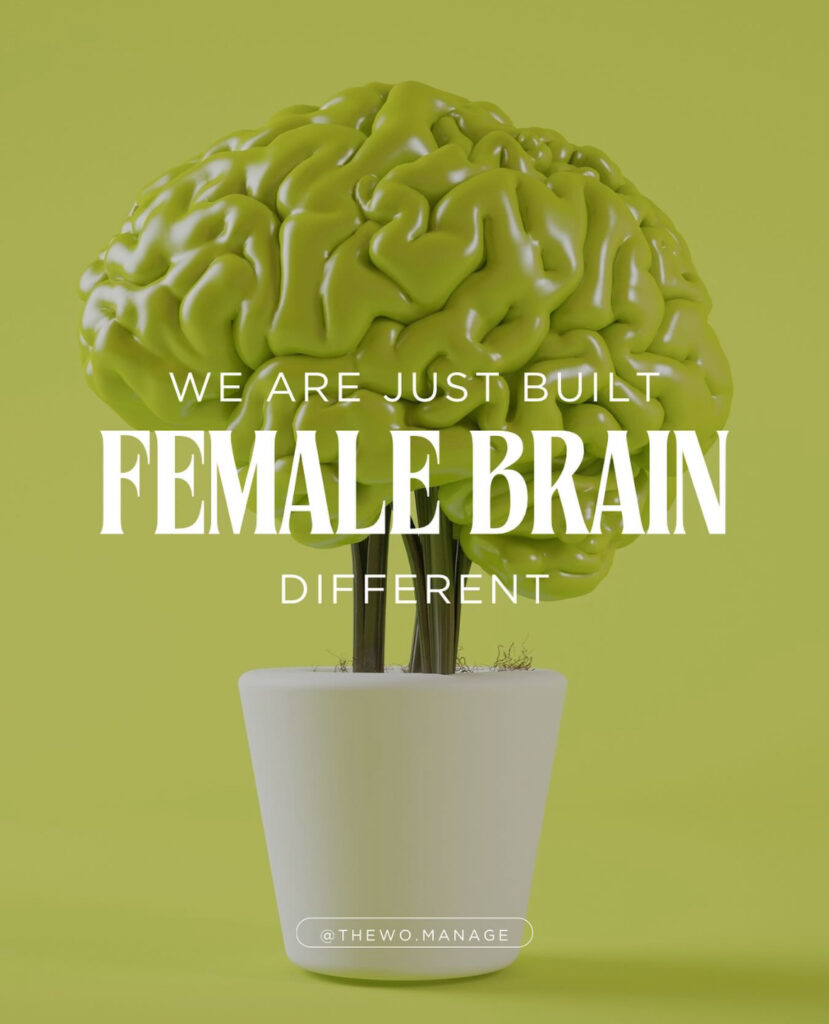
The structural and functional differences between male and female brains have been a subject of extensive research, revealing distinct variations that contribute to differences in cognitive abilities and susceptibility to certain mental health conditions. One notable difference is in “load capacity,” or the ability to manage multiple cognitive tasks. Studies suggest that women often excel in multitasking due to a generally higher level of connectivity between the left and right hemispheres of the brain. This connectivity may facilitate better integration of information and improve the capacity to juggle various tasks simultaneously. Additionally, when it comes to memory, women tend to perform better in long-term memory tasks, while men often excel in short-term memory tasks. This distinction could be linked to differences in brain structures such as the hippocampus, a region associated with memory processing, which tends to be differently sized or utilized in men and women.
These structural differences also contribute to varying mental health susceptibilities between genders. Women are statistically more prone to depression, which may be influenced by hormonal fluctuations, greater stress sensitivity, and environmental factors, all of which interact with brain chemistry. The female brain’s heightened connectivity might also predispose women to ruminate more, a known risk factor for depression. In contrast, men are more prone to neurodevelopmental disorders such as autism and ADHD. This propensity could be tied to differences in brain development and hormonal influences during critical periods of brain maturation. For example, variations in the size and activity of regions like the amygdala and prefrontal cortex, which are integral to emotional regulation and attention, might explain the higher prevalence of these conditions in males. Understanding these differences not only enhances our knowledge of gender-specific cognitive and emotional processing but also informs tailored approaches to mental health treatment and support.