
Hyperpalatables: Sweet and Salty and Downright Dirty
- November 3, 2025
- 0 Likes
- 178 Views
- 0 Comments
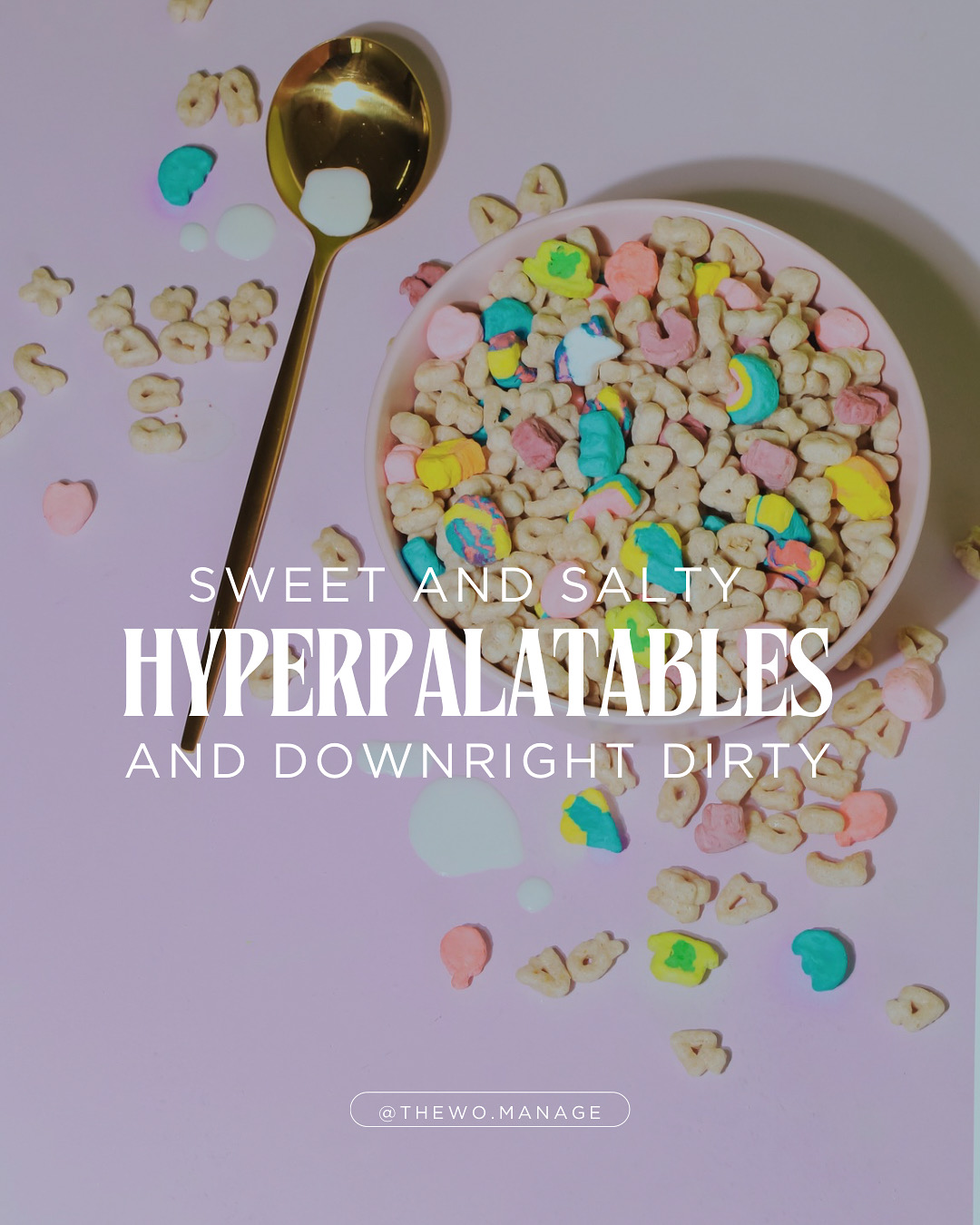
Hyperpalatable foods, those engineered to be irresistibly tasty by combining sugar, salt, and fat in specific ways, pose serious risks to both physical and mental health. These foods hijack the brain’s reward system, overstimulating dopamine pathways that evolved to respond to natural, nourishing foods. Instead of feeling satisfied, people often find themselves craving more, leading to patterns of overeating and dependency similar to addictive behaviors. Over time, this constant cycle disrupts the delicate balance of hormones like insulin, ghrelin, and leptin, which regulate hunger, satiety, and energy storage. Common examples of hyperpalatable foods include potato chips, fast-food cheeseburgers, sweetened breakfast cereals, ice cream, and pizza, each designed to keep you coming back for more.
The hormonal disruption caused by hyperpalatable foods doesn’t just impact weight, it undermines overall well-being. Chronically elevated insulin can lead to insulin resistance, paving the way for type 2 diabetes, while altered leptin signaling can make the brain “blind” to feelings of fullness. Ghrelin, the hunger hormone, can become dysregulated, fueling constant cravings. These imbalances, combined with changes in brain chemistry, can contribute to mood disorders, fatigue, and cognitive decline. In essence, hyperpalatable foods rewire both the brain and body, creating a cycle that makes it harder to break free from unhealthy eating habits and restore balance