

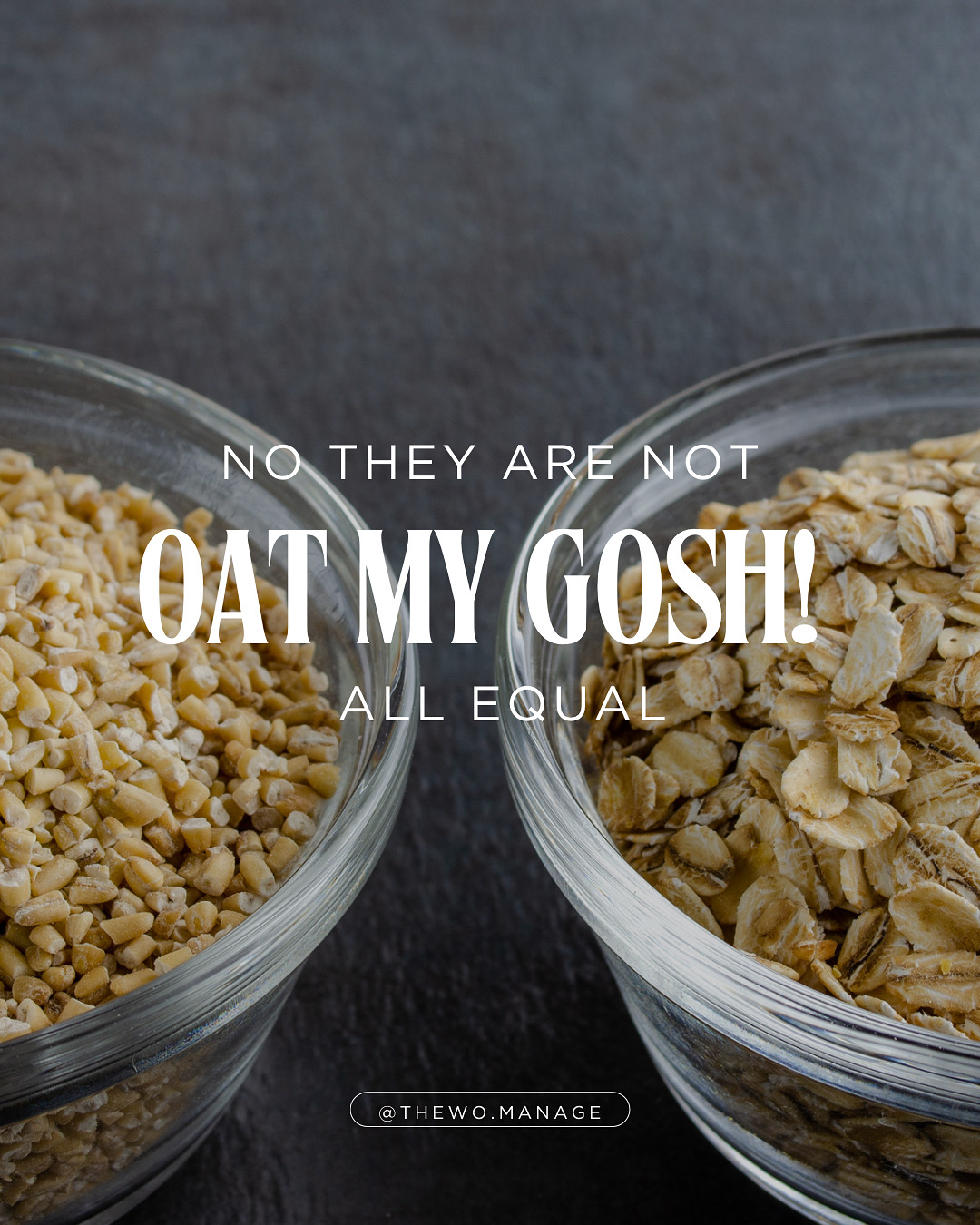
Rolled oats, oat bran, and steel-cut oats each begin with the whole oat groat, but differ in processing and nutritional characteristics. Rolled oats are steamed, then flattened, which makes them easy to cook while retaining most of their beneficial nutrients. They provide a significant amount of soluble fiber, particularly beta-glucan, known to lower LDL cholesterol levels and support heart health. Rolled oats are a reliable source of essential minerals and vitamins, including manganese, phosphorus, magnesium, copper, iron, zinc, folate, and B vitamins, which play crucial roles in energy metabolism and overall health. Due to the steaming process, rolled oats generally produce a moderate insulin response, suitable for maintaining stable blood sugar levels.
Oat bran, distinct in its nutritional concentration, is the outer layer of the groat, containing an even higher proportion of beta-glucan fiber than rolled or steel-cut oats. This makes oat bran exceptionally beneficial for heart health, as it efficiently reduces cholesterol levels and improves cardiovascular functions. Oat bran is rich in thiamin, iron, phosphorus, magnesium, and selenium, contributing to metabolic health and antioxidant defenses. Its high fiber content lends a lower glycemic index, resulting in a reduced insulin response, making it particularly advantageous for those managing blood sugar levels. Steel-cut oats, in contrast, are whole oat groats chopped into pieces, which preserves their dense texture and slightly higher fiber content than rolled oats. Their slow digestion rate also leads to a gradual insulin response, aiding in prolonged satiety and better blood sugar control. Together, these oats provide varied benefits, with oat bran often considered superior for heart health due to its concentrated fiber and nutrient profile.